The energy transition is becoming increasingly visible in everyday life. The electricity grid is becoming more congested, while not everyone is able to invest in solar panels, a home battery or an electric vehicle. This creates differences between people who can and cannot benefit from new energy solutions. Vattenfall is therefore exploring how energy can be organised not only individually, but also collectively, and how local energy sharing can contribute to greater control, fairness and connection within neighbourhoods.
How can energy reconnect people? The designers are exploring how individual initiatives can be connected and scaled up into collective solutions at neighbourhood level. They are looking not only at technology, but also at accessibility, trust, behaviour, collaboration and the role of parties such as energy providers, grid operators and municipalities.
“Designers make abstract and complex issues tangible and easy to visualise. They help shift the conversation from ‘whether something is possible’ to ‘how we can achieve it together”
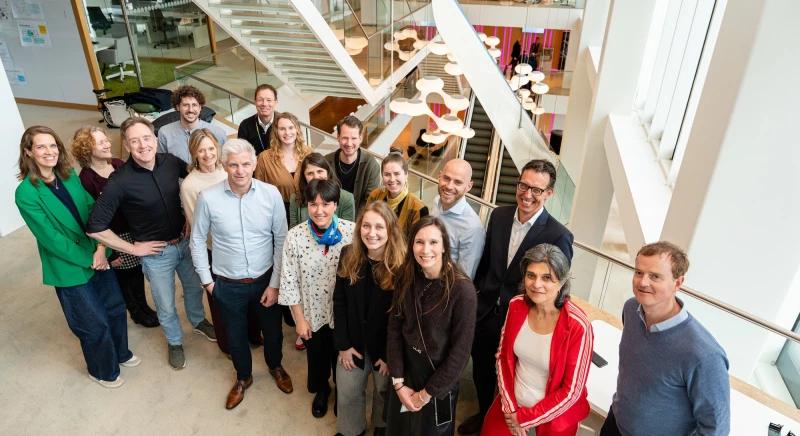
Three design practices were selected by Dutch Design Foundation and Vattenfall through an Open Call. Amy Goris and Celine Oomen of Greenberry focus on inclusive solutions rooted in everyday life. Anna Kozera explores how spatial infrastructure can encourage collaboration. Kate Spierings and Asia Maria Andreolli of Ideate approach trust and relationships as a design challenge.
More than just a technical challenge
According to Vattenfall, many technical solutions already exist or are under development. The complexity lies primarily in public support, behaviour, regulations and the willingness to reconsider existing roles. “Designers make abstract and complex challenges tangible and imaginable,” says Nadienske de Vries of Vattenfall. “They help shift the conversation from whether something is possible to how we can make it happen together."
Within this Co/Lab, Vattenfall wants to temporarily set aside technical constraints, existing business models and ingrained ways of thinking. This creates the space to first explore which forms of collaboration are desirable and fair.
Ideate:
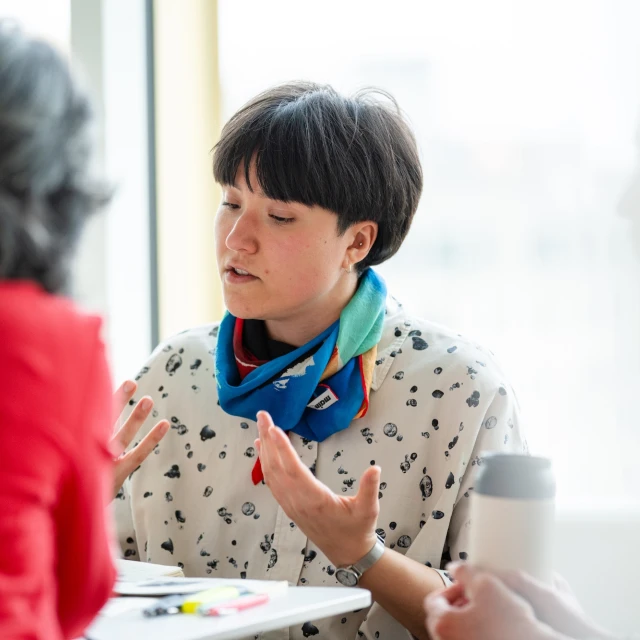
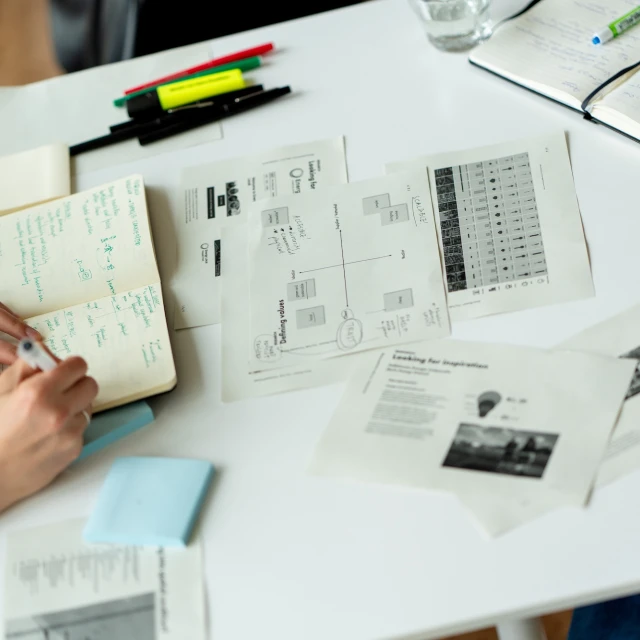
“Vattenfall is part of the problem and part of the solution. That’s what makes this collaboration so exciting,” says Kate Spierings of Ideate. Previous projects of Ideate have shown that a willingness to collaborate is not the same as taking joint action. As long as the discussion remains abstract, people are often open to the idea of sharing energy. But as soon as investments, risks and returns need to be shared, tensions arise. Ideate therefore aims to use scenarios and interactive working methods to make future choices tangible. This reveals what people do when interests clash. Asia sees energy as a potential form of social glue: not just as a resource, but as a way of contributing to something greater than the individual household.
“Trust is needed to take action, yet trust only grows by acting together. To build it, you simply have to start: work together, share energy and get things moving”
Anna Kozera:
Anna Kozera approaches the issue from the perspective of spatial design and her research into commoning, post-growth and climate adaptation. She does not view energy infrastructure as a neutral network. The way in which it is organised helps to determine what kinds of relationships, ownership models and partnerships can emerge. “If we approach energy infrastructure solely as a technical or engineering issue, there is a risk that existing inequalities will be reinforced,” says Kozera. Within the Co/Lab, she is investigating what happens when collective organisation is taken not as a supplement, but as a starting point.
Greenberry:
Greenberry brings a hands-on, co-creative approach. Amy Goris wants to quickly translate abstract ideas into concepts that can be tested together with residents. “For me, design power lies in making things that are still abstract or intangible visible and tangible,” says Goris. “The energy transition often focuses on systems, regulations and technology, while ultimately it is about people.” By making and testing early in the process, assumptions can be challenged. A concept does not have to provide an immediate answer; it can also raise new questions or reveal why a proposal does not work in everyday life.
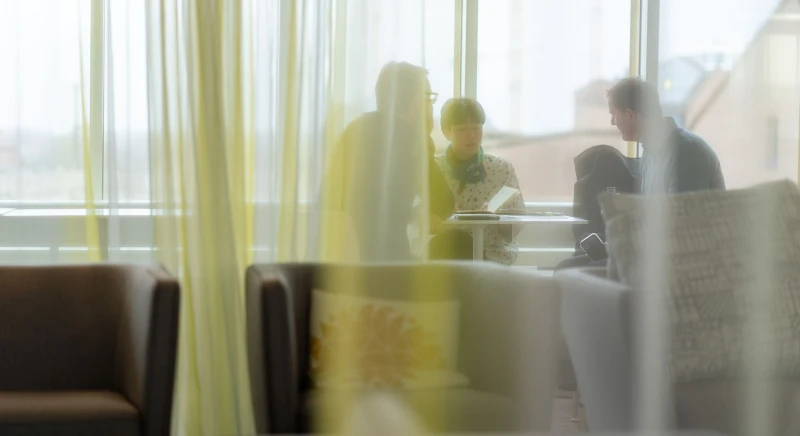
Room for unexpected directions
Vattenfall hopes that the process will, above all, lead to a different way of thinking and working that can help to find a final solution. Over the coming months, the designers will develop scenarios and concepts for a more collective, affordable and inclusive energy system at neighbourhood level. They will form a basis for further experimentation and collaboration. Because if energy is to reconnect people, it starts with creating the conditions in which they are willing to share something with one another.
- Commissioner
- Vattenfall
- Designers
- Anna Kozera, Greenberry en Ideate
- Lab manager
- Kathelijn Voets
- Domain
- Social affairs
- Interesting for
- Entrepreneurs, Policymakers, Designers
Questions? Get in touch with lab manager Kathelijn
Put design to work on solutions
Inspired by this story? See what you can contribute in the open Co/Labs, or get in touch to learn how to become a partner of Dutch Design Foundation.
































Sign up for the newsletter
Be the first to receive invitations to events and programming, and meet new designers.