The Giving City
How can we reduce the negative impact of urbanisation and enable cities to actively contribute to a healthy and sustainable living environment?
This Co/Lab has been completed
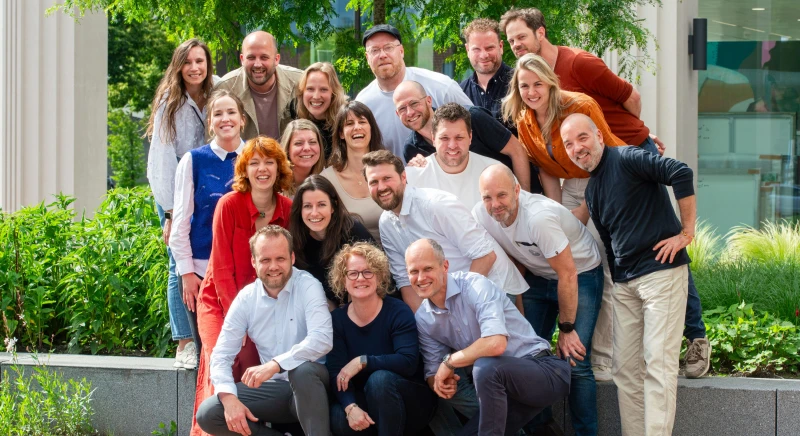
Cities are growing rapidly, and by 2050, almost 70% of the world’s population is expected to live in urban areas. This brings challenges around sustainability, liveability and social connectedness. Sweco therefore explored how cities can not only reduce their negative impact, but also actively contribute to strengthening ecological and social systems.
How can we reduce the negative impact of urbanisation and enable cities to actively contribute to a healthy and sustainable living environment?
The designers explored what a regenerative city could look like: a city that does not simply take, but also gives back to people and nature. The three design teams focused on different urban contexts: a new-build neighbourhood, an area undergoing regeneration, and a station area.
Sweco and Dutch Design Foundation selected Fides Lapidaire, Volle Grond, and Studio Kornelia Dimitrova & Massif Architects. The design teams brought together different perspectives from social design, ecopsychology, architecture and urban design.
Each of the three selected teams explored a different urban context. Fides Lapidaire focused on an area undergoing regeneration, Volle Grond on a new development area on the outskirts of the city, and Studio Kornelia Dimitrova & Massif Architects on the future of station areas. From these three perspectives, they developed different concepts for the regenerative city of tomorrow.
Inner Landscape
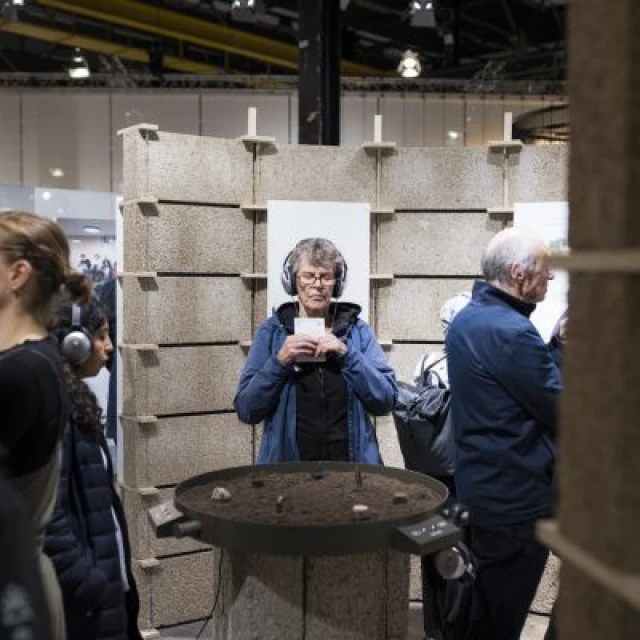
Volle Grond, Hildenbrant Architecture & Drawings developed a concept that connects living and nature in new-build neighbourhoods. Seven spaces for reflection are connected to elements including water, air, soil, fungal networks, birds and insects. This creates an environment in which residents actively become part of the local ecosystem.
The Give Shop
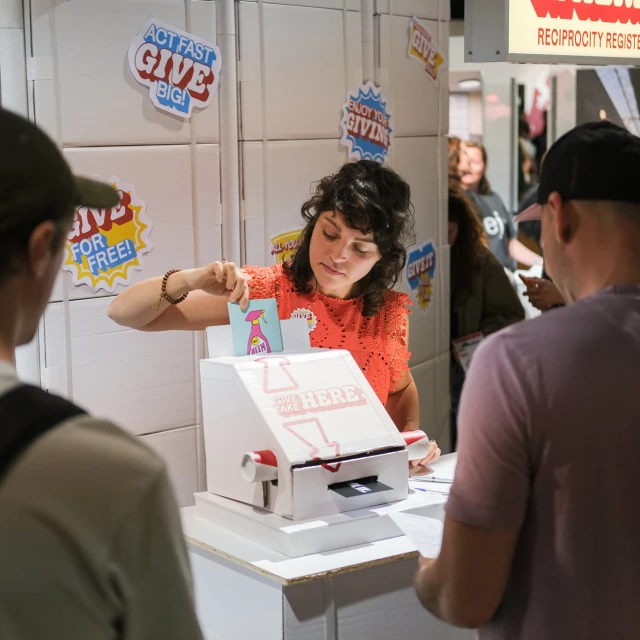
Fides Lapidaire developed an upside-down gift shop centred around giving. The pop-up shop explored what area developers can give back to residents and how social sustainability can play a greater role in area development.
Strategic Framework for Station Areas
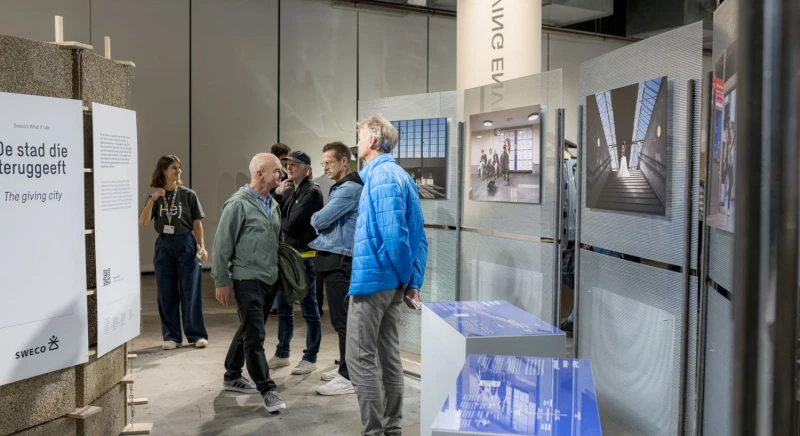
Studio Kornelia Dimitrova & Massif Architects developed a strategic framework with future scenarios for railway stations. They explored how stations could become more than transport hubs by also providing space for social amenities, local ecology and opportunities for people to connect.
For Studio Kornelia Dimitrova, the project provided space to explore fundamental questions while drawing on Sweco’s practical expertise. The collaboration made it possible to connect speculative ideas with concrete urban challenges and explore different future scenarios.
- Client
- Sweco
- Designers
- Volle Grond & Hildenbrant Architecture & Drawings, Fides Lapidaire, Studio Kornelia Dimitrova & Massif Architects
- Lab managers
- Justine Kontou
- Domain
- Liveability, Environment
- Interesting for
- Policymakers, Designers
Questions? Get in touch with lab manager Justine












































































Sign up for the newsletter
Be the first to receive invitations to events and programming, and meet new designers.