Silent wisdom as a building block for tomorrow
How can historic ways of living contribute to making heritage buildings more sustainable?
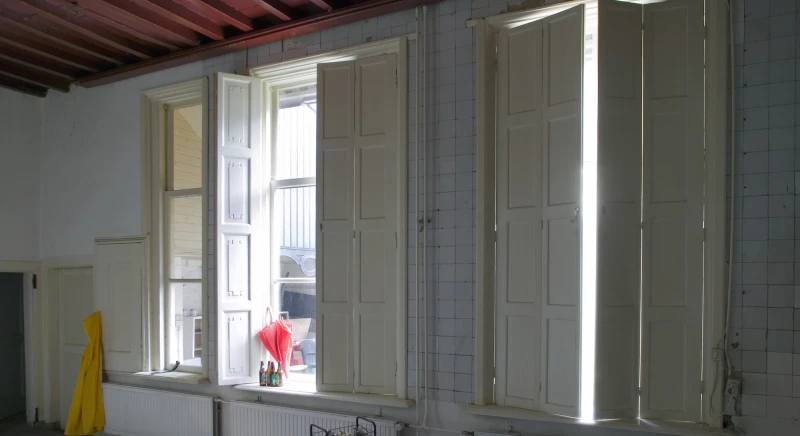
Making heritage buildings more sustainable creates a tension between comfort, energy-efficient living and preserving their character and heritage value. At the same time, these buildings contain a wealth of knowledge about living intelligently and efficiently, from shutters and draught curtains to heating rooms separately and adapting daily life to the seasons. Many of these principles are still present, but their original purpose has faded into the background.
How can the tacit knowledge embedded in heritage buildings be made visible again and applied to the sustainable choices we make today? To explore this, the designers looked not only at the technical characteristics of buildings, but also at how residents use their homes, the stories connected to them and which historic design principles may still be relevant today.
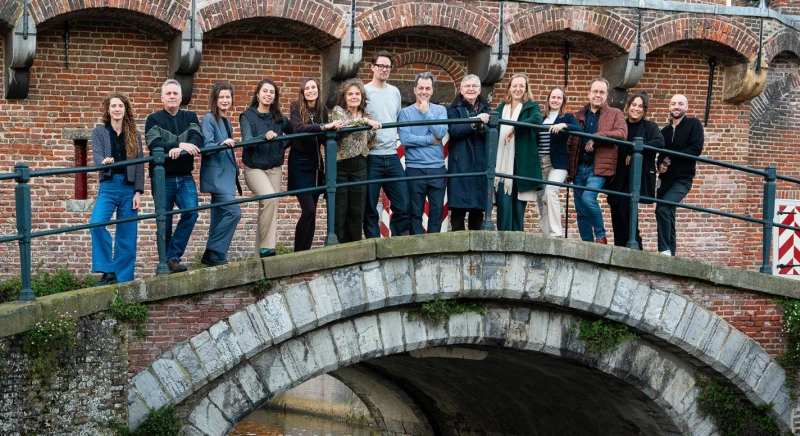
The Cultural Heritage Agency of the Netherlands selected Rosalie Apituley and Tessa Steenkamp of Bits of Space as a complementary design duo. Tessa brought technical and socio-spatial expertise, while Rosalie contributed experience in artistic research, storytelling and social design. From these different perspectives, they explored the relationship between heritage, behaviour and sustainability.
The research resulted in seven conceptual directions that make the silent wisdom of heritage buildings visible and applicable again. Archive of Energy Wisdom brings together historic and contemporary examples, while Time Capsule this knowledge to one specific home. The Interior Collection translates old principles into contemporary objects, and a travelling Pop-upshop makes the stories behind them visible.
The designers also explored more experiential approaches. Moving thermal images reveal the impact of features such as curtains and shutters, Close the Shutters Day invites residents to use historic elements once again for their original purpose, and the film series Monument, What Now? captures the questions and choices residents face when making their homes more sustainable. The seven proposals were not intended as fixed final answers, but as directions that could be further designed, tested and developed.

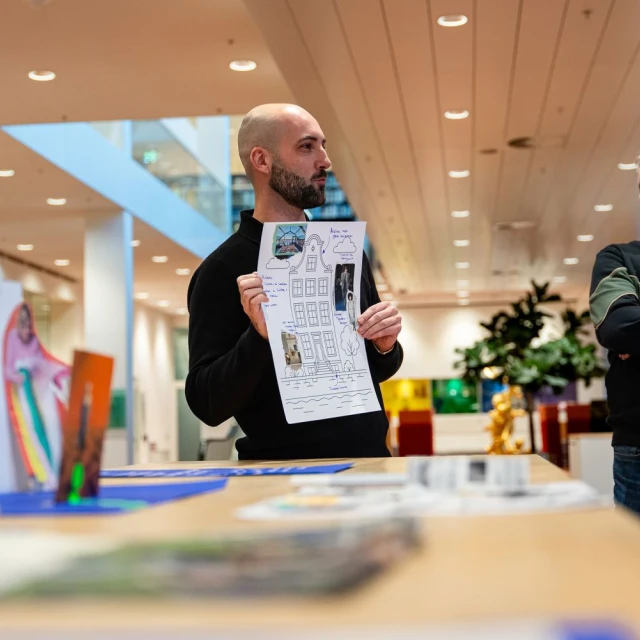
The designers visited heritage buildings across the Netherlands, spoke with residents, tenants and owners, accompanied a DuMo adviser and brought together a range of experts. This revealed that sustainability is not only about technology, but also about behaviour, use and the relationship people have with their homes.
One important insight was that knowledge can lead to appreciation. When residents understand why a historic feature is valuable and how it was originally intended to function, this can also change the way they use and relate to it. The designers described these simple, often forgotten principles as the ‘softer side of sustainability’.
- Client
- Rijksdienst voor het Cultureel Erfgoed
- Designstudio
- Bits of Space
- Lab manager
- Justine Kontou
- Domain
- Liveability
- Interesting for
- Designers, Entrepreneurs
Questions? Get in touch with lab manager Justine

Put design to work on solutions
Inspired by this story? See what you can contribute in the open Co/Labs, or get in touch to learn how to become a partner of Dutch Design Foundation.










































































Sign up for the newsletter
Be the first to receive invitations to events and programming, and meet new designers.